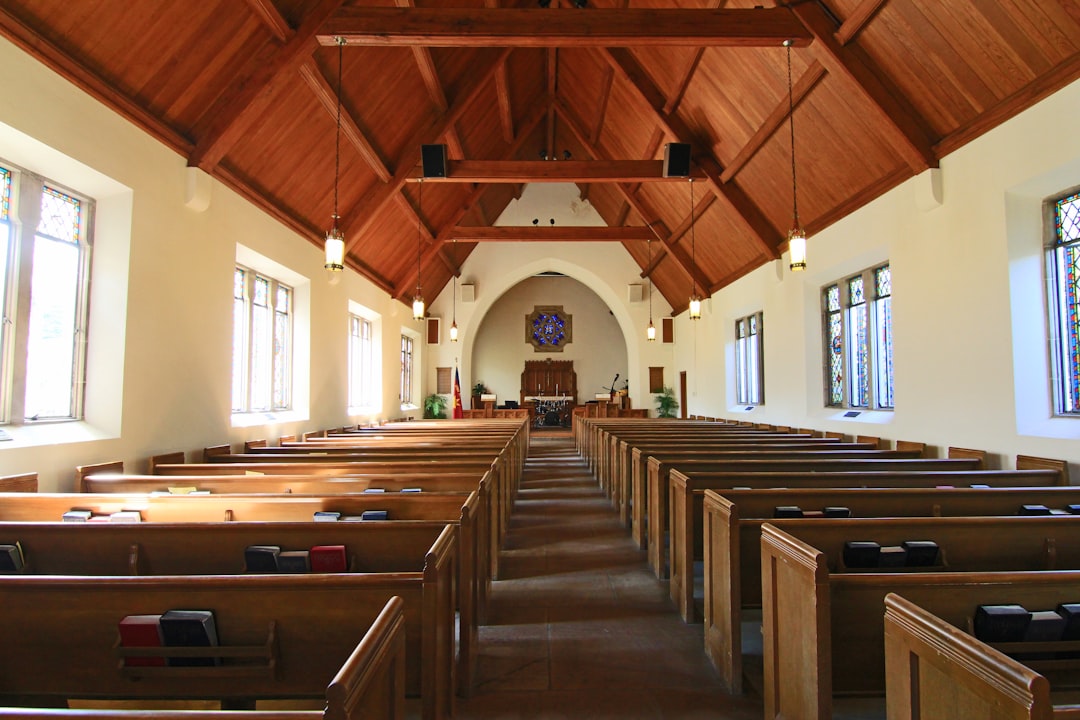
Clergy abuse attorneys in Georgia are essential in balancing legal proficiency and emotional understanding to address complex cases within religious communities. They navigate sensitive matters, advocate for victims' rights, and ensure justice while maintaining discretion. These experts guide survivors through legal processes, from evidence gathering to education on options like mediation or lawsuits against offending clergy or institutions, fostering healing and closure.
In Georgia, addressing clergy abuse is a sensitive yet critical issue. Many victims struggle to find support and justice due to the unique dynamics of religious communities. This article explores how a specialized legal team can make a profound difference. We delve into Georgia’s legal framework for clergy assault cases, understanding the complexities involved, and the vital role attorneys play in providing specialized support. Learn about the steps to navigate justice after reporting such abuse.
Understanding Clergy Abuse: A Sensitivite Issue

Clergy abuse is a sensitive and complex issue that requires specialized legal expertise. In Georgia, where many communities have strong religious ties, addressing cases of clergy assault demands a nuanced approach. This is especially true given the trust and authority held by clergy members within their congregations.
Understanding the dynamics of clergy-congregant relationships is crucial for Georgia legal teams specializing in these cases. They must navigate not only the legal aspects but also the emotional and psychological implications for victims. This specialized knowledge enables them to provide robust representation while ensuring a level of sensitivity and discretion that such cases demand.
Georgia's Legal Framework for Clergy Assault Cases

Georgia has established a legal framework that addresses clergy abuse cases, providing victims with avenues for justice and accountability. The state recognizes that instances of assault or misconduct involving religious leaders require a sensitive yet thorough investigation. Georgia’s laws offer protection to individuals who have suffered harm at the hands of clergy members, ensuring they can seek legal recourse.
Clergy abuse attorneys in Georgia are well-versed in navigating these cases, utilizing relevant statutes and case law to represent victims effectively. The legal process involves reporting obligations, evidence collection, and a thorough examination of the facts. It’s crucial for victims to consult with experienced clergy abuse attorneys who can guide them through this complex system, ensuring their rights are protected throughout the pursuit of justice.
The Role of Specialized Attorneys in Support

When facing allegations of clergy abuse, it’s crucial to have a legal team that understands the unique complexities and sensitivities involved. Specialized clergy abuse attorneys in Georgia play a vital role in supporting individuals who have experienced such trauma. They possess extensive knowledge of church laws, internal policies, and the emotional toll these cases can take on victims, enabling them to navigate a labyrinthine process with compassion and expertise.
These attorneys are equipped to handle not only the legal aspects but also the ethical considerations that arise in clergy assault cases. Their specialized skills ensure that justice is pursued while maintaining respect for all parties involved. With their help, victims can find the strength to come forward, knowing they have dedicated professionals fighting for their rights and seeking a resolution that brings closure and healing.
Navigating Justice: Steps After Reporting Abuse

When facing allegations of clergy abuse, it’s a challenging and often emotional time. The first step towards justice is reporting the abuse. Once reported, individuals must navigate a legal process that can be complex and daunting. This is where Georgia clergy abuse attorneys play a vital role. They guide victims through the steps to ensure their rights are protected and they receive the support they need.
The initial phase involves gathering evidence and documenting the incidents. This includes medical records, witness statements, and any relevant communications. Attorneys will also help clients understand the legal options available, whether it’s through mediation, negotiations, or filing a lawsuit against the offending clergy member or institution. They provide the necessary support to help individuals heal while pursuing justice in their quest for closure and accountability.