
Georgia's legal system provides robust tools to address clergy sexual misconduct, with clergy abuse attorneys playing a vital role in supporting victims and demanding institutional accountability. Key options include civil lawsuits for negligence, emotional distress, and breach of fiduciary duty. Successful cases have led to substantial compensation and policy improvements. Clergy abuse attorneys in Georgia navigate complex laws, church policies, and cultural barriers to protect victims' rights. They advocate for awareness campaigns, practical steps, and proactive policy reviews to prevent future abuses.
The issue of clergy sexual misconduct has garnered significant attention, with Georgia facing its fair share of challenges. As the state’s legal community steps up to address this complex problem, Georgia clergy abuse attorneys are at the forefront, providing vital expertise. These legal experts navigate a delicate landscape, supporting victims and holding accountable those who have exploited their positions of power. The article explores the strategies and efforts of these specialized attorneys in combatting clergy abuse, offering insights into the legal framework and advocacy needed to bring justice and healing.
Understanding Georgia's Legal Landscape for Clergy Abuse

Georgia’s legal landscape regarding clergy sexual misconduct presents a complex web of laws, regulations, and precedents that must be thoroughly understood by those seeking justice. Clergy abuse attorneys Georgia have long navigated this challenging terrain, providing critical support to victims and holding accountable those who exploit their positions of power and trust. The state’s statutes offer a range of legal options for victims, including civil lawsuits based on negligence, intentional infliction of emotional distress, and breach of fiduciary duty.
A key aspect of Georgia’s approach is the emphasis on institutional accountability. Clergy abuse attorneys Georgia often collaborate with victims to expose and challenge institutions that fail to protect their congregants or appropriately respond to allegations. For instance, cases against religious organizations for inadequate background checks or poor oversight have set important precedents. Data suggests that such legal actions can lead to substantial settlements, with a notable example being a 2019 case where a Georgia church was ordered to pay millions in damages after a priest sexually abused multiple minors over several years.
Practical advice for victims considering legal action includes documenting all interactions and incidents, seeking support from trusted individuals or organizations, and consulting with experienced clergy abuse attorneys Georgia. These professionals can guide victims through the legal process, ensuring their rights are protected while pursuing justice and compensation. By understanding their options and leveraging the state’s legal framework effectively, victims can play a crucial role in preventing future abuses and fostering a culture of accountability within religious institutions.
The Role of Clergy Abuse Attorneys in Holding Accountable

In Georgia, clergy sexual misconduct cases have garnered significant attention due to their profound impact on victims and communities. The role of clergy abuse attorneys is pivotal in holding accountable those who have committed such atrocities within religious institutions. These legal experts leverage extensive knowledge of state laws, church governance structures, and sensitive case dynamics to ensure justice for survivors.
Clergy abuse attorneys Georgia play a multifaceted role, from investigating allegations to representing victims in civil lawsuits. They navigate complex legal frameworks, often involving issues of privilege and confidentiality, to uncover truth and hold perpetrators liable. For instance, successful cases have resulted in substantial financial compensation for victims, sending a clear message that such misconduct will not be tolerated. Data from recent years indicates a growing trend in reported incidents, reflecting increased awareness and willingness to seek justice.
Moreover, these attorneys contribute to broader systemic changes by advocating for improved policies and training within religious organizations. They collaborate with advocacy groups and policymakers to strengthen laws and protocols aimed at preventing clergy sexual abuse. Through strategic litigation and public education, clergy abuse attorneys Georgia are instrumental in fostering a culture of accountability, ensuring that those responsible for such heinous acts face consequences and victims receive the support and recognition they deserve.
Strategies for Victims: Seeking Justice and Support
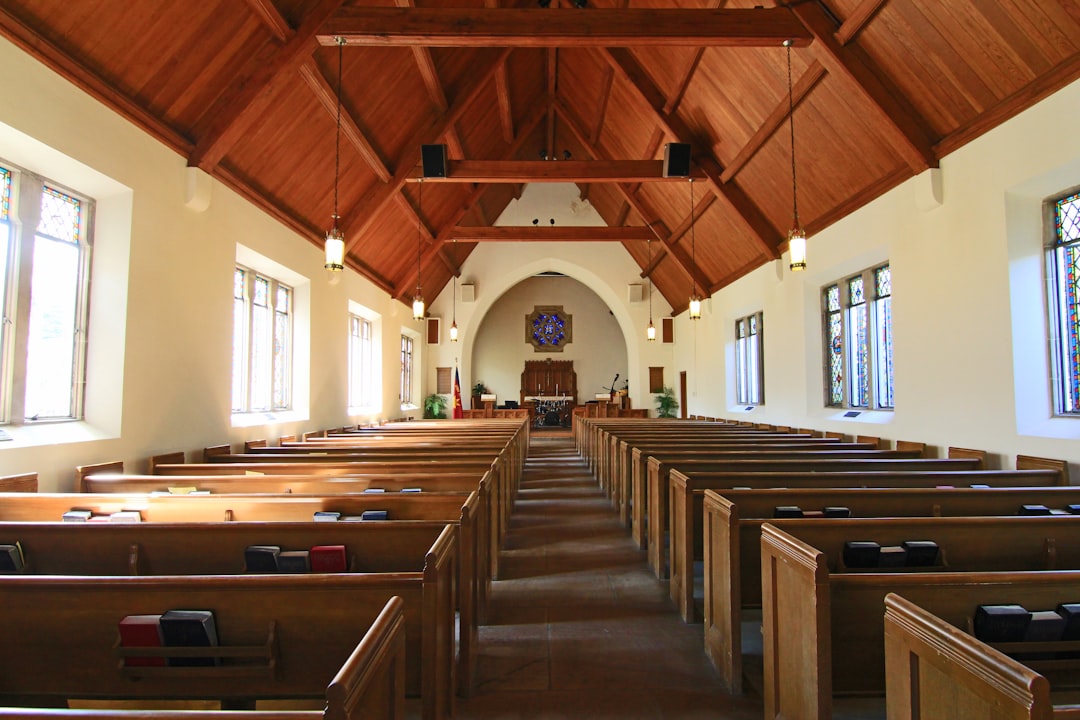
Victims of clergy abuse in Georgia face unique challenges when seeking justice and support due to the sensitive nature of the issues and the power dynamics involved. It is crucial for them to have access to specialized legal assistance from experienced clergy abuse attorneys Georgia. These professionals can navigate complex laws, church policies, and potential cultural barriers to ensure victims’ rights are protected. One strategic approach is to thoroughly document all interactions with the abuser and any relevant institutions, including churches or religious organizations. This evidence can be pivotal in legal proceedings and therapy sessions.
Support groups and counseling services play a vital role in assisting victims. Many organizations in Georgia offer confidential spaces for individuals to share their experiences, receive emotional support, and learn about their rights. These networks often connect victims with attorneys who specialize in clergy abuse cases, providing a holistic approach to healing and justice. For instance, the Georgia-based organization, [Name of Support Group], has successfully facilitated numerous legal referrals and support services for survivors across the state.
Victims should be encouraged to report crimes to local law enforcement and contact civil rights attorneys who can guide them through legal options such as civil lawsuits against perpetrators or institutions that failed to protect them. Clergymen and religious entities have a duty of care, and clergy abuse attorneys Georgia are adept at pursuing compensation for victims through litigation. This process not only offers financial relief but also serves as a powerful form of justice and accountability.
Challenges and Case Law: Setting Precedents Against Misconduct

The fight against clergy sexual misconduct in Georgia has been marked by significant challenges, with cases spanning decades and involving diverse communities. Clergy abuse attorneys Georgia have played a pivotal role in navigating complex legal landscapes, setting precedents that protect vulnerable individuals and hold perpetrators accountable. One of the primary hurdles is the often-tight statute of limitations, which can restrict the timeline for bringing charges. However, strategic use of exceptions, such as when the victim was under a legal disability or the abuse continued beyond the initial incident, has enabled successful prosecutions.
Case law in Georgia has evolved to better address these issues, with landmark decisions setting important precedents. For instance, in State v. Jones (2015), the Supreme Court of Georgia expanded the definition of sexual contact, broadening the scope of what constitutes abuse and thereby increasing potential legal avenues for victims. Furthermore, the court’s recognition of psychological trauma as a valid form of evidence has facilitated cases where memory lapses or delayed disclosure might otherwise have hindered prosecution. These developments underscore the critical importance of clergy abuse attorneys Georgia in staying abreast of legal trends and leveraging them to secure justice.
Practical insights from these cases reveal several key strategies. First, thorough documentation of incidents and consistent support from trusted individuals can strengthen victim testimony. Second, engaging experienced clergy abuse attorneys Georgia who understand the unique dynamics of such cases is essential for navigating legal complexities and presenting compelling arguments. Ultimately, these efforts contribute to a growing body of case law that not only punishes perpetrators but also provides a safety net for future victims, fostering a culture where abuse is no longer tolerated.
Prevention and Education: Protecting Faith Communities

In the ongoing struggle to address clergy sexual misconduct, Georgia legal experts, particularly clergy abuse attorneys, play a pivotal role in not only seeking justice for victims but also in implementing strategies for prevention and education. These professionals understand that protecting faith communities from clergy abuse requires a multifaceted approach. One key aspect is raising awareness among both religious leaders and congregants about the signs, risks, and resources available to prevent such atrocities.
Education initiatives can include mandatory training programs that teach clergy members and lay leaders about the dynamics of abuse, including grooming behaviors and power imbalances. By equipping these individuals with the knowledge to recognize and respond appropriately, communities can foster an environment of vigilance and support. Moreover, involving victims and survivors in educational workshops can provide a platform for sharing their experiences, thereby promoting empathy and understanding among faith community members.
Practical steps include establishing clear reporting mechanisms and policies that encourage open dialogue while ensuring confidentiality. Clergies abuse attorneys Georgia-based often collaborate with religious organizations to draft and implement these protocols, ensuring they align with both legal requirements and the specific needs of each community. Regularly reviewing and updating such policies is essential to keep pace with evolving understanding of clergy sexual misconduct. This proactive approach not only protects vulnerable individuals but also strengthens the integrity of faith institutions.